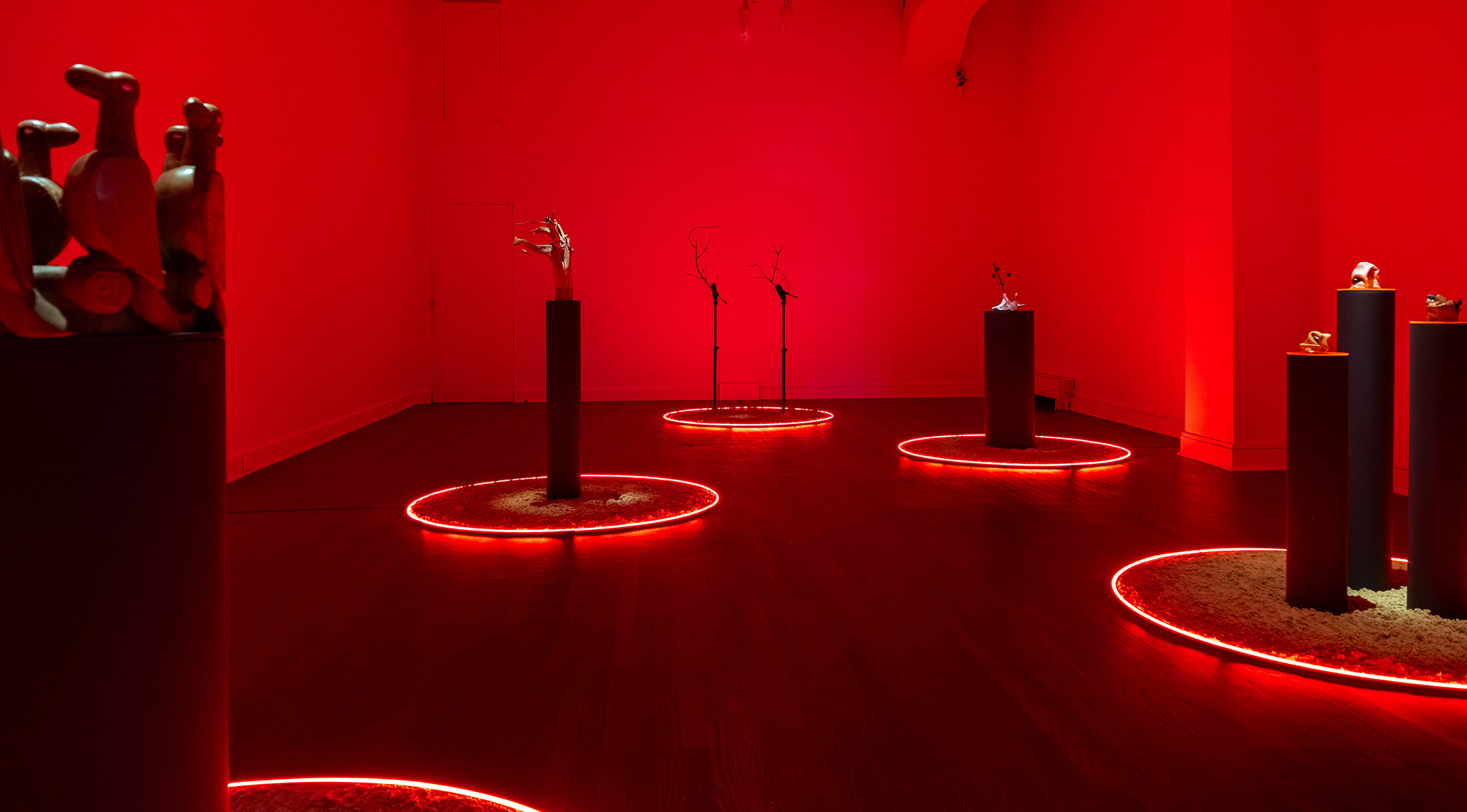
Variable dimensions.
The Tropics, The Moon, and Mars is an immersive installation that unites light, sound, sculpture, painting, and digital experiments. It constructs a post-natural tropical environment in which heat reorganizes relationships between bodies, technologies, geological formations, and living systems. The tropics appear as climate, home, and projection: a lived geography shaped by extraction, ecological transformation, and a long history of being imagined from elsewhere.
The exhibition originates from a simple yet unsettling proposition: humanity dreams of becoming an interplanetary species while remaining unable to live collaboratively with the terrestrial ecologies it already inhabits. Rather than presenting planetary expansion as technological triumph, Nagem considers how fantasies of the Moon and Mars extend the same logics that have long shaped extractive relationships on Earth. The three locales of the exhibition title become less distinct destinations than overlapping terrains through which to reconsider survival, adaptation, and coexistence. (Jinny Khanduja, curator)
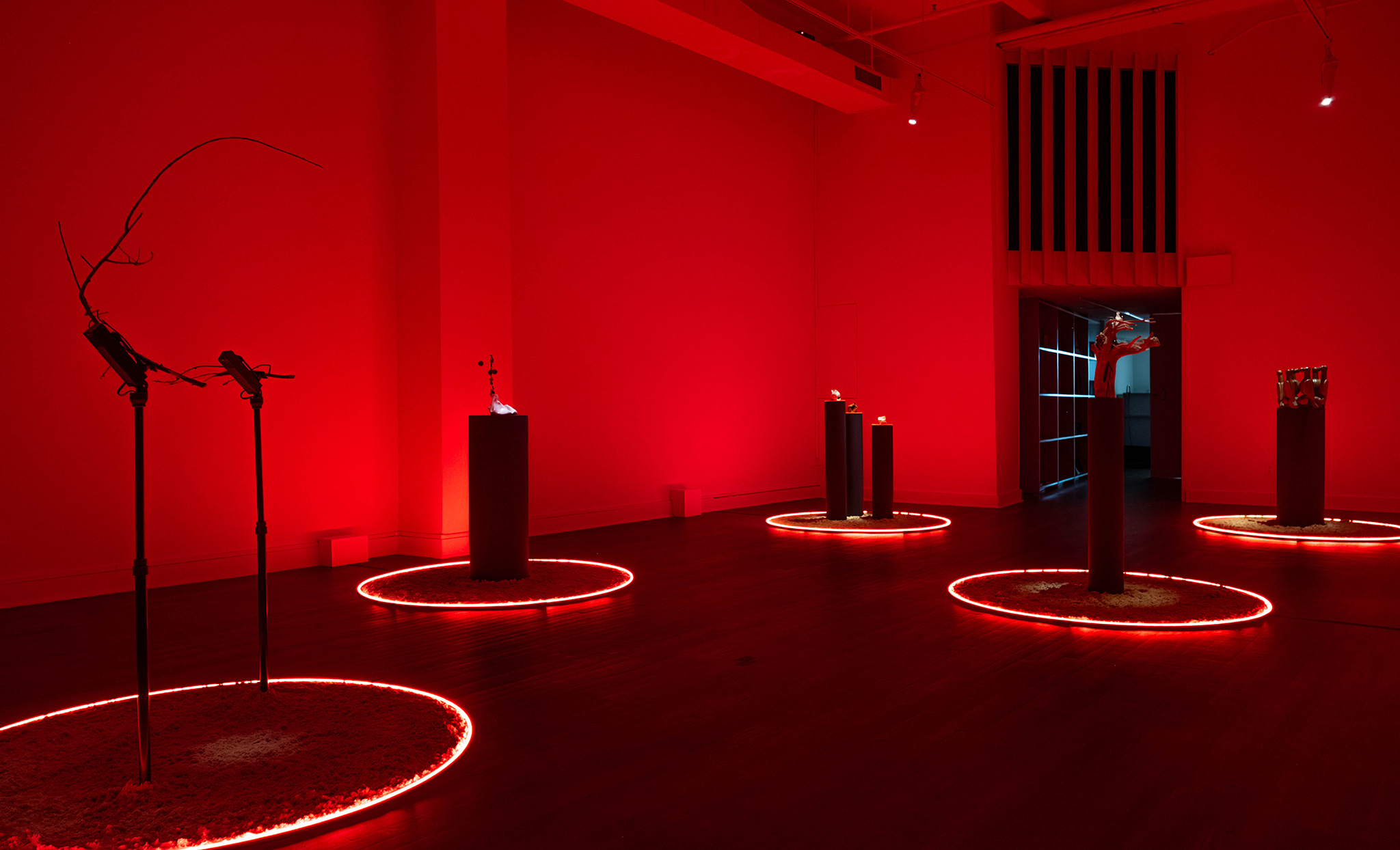 Installation view.
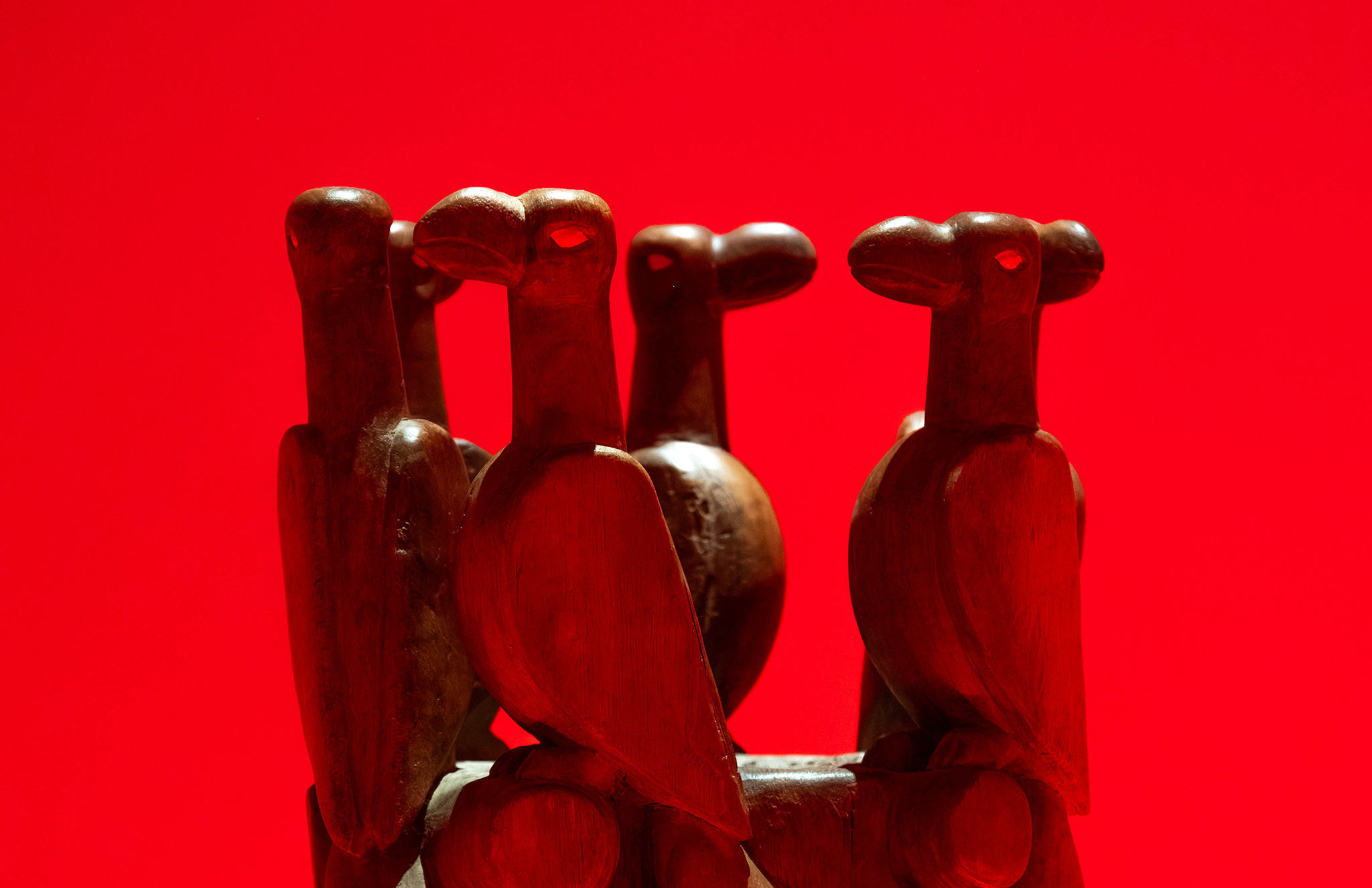
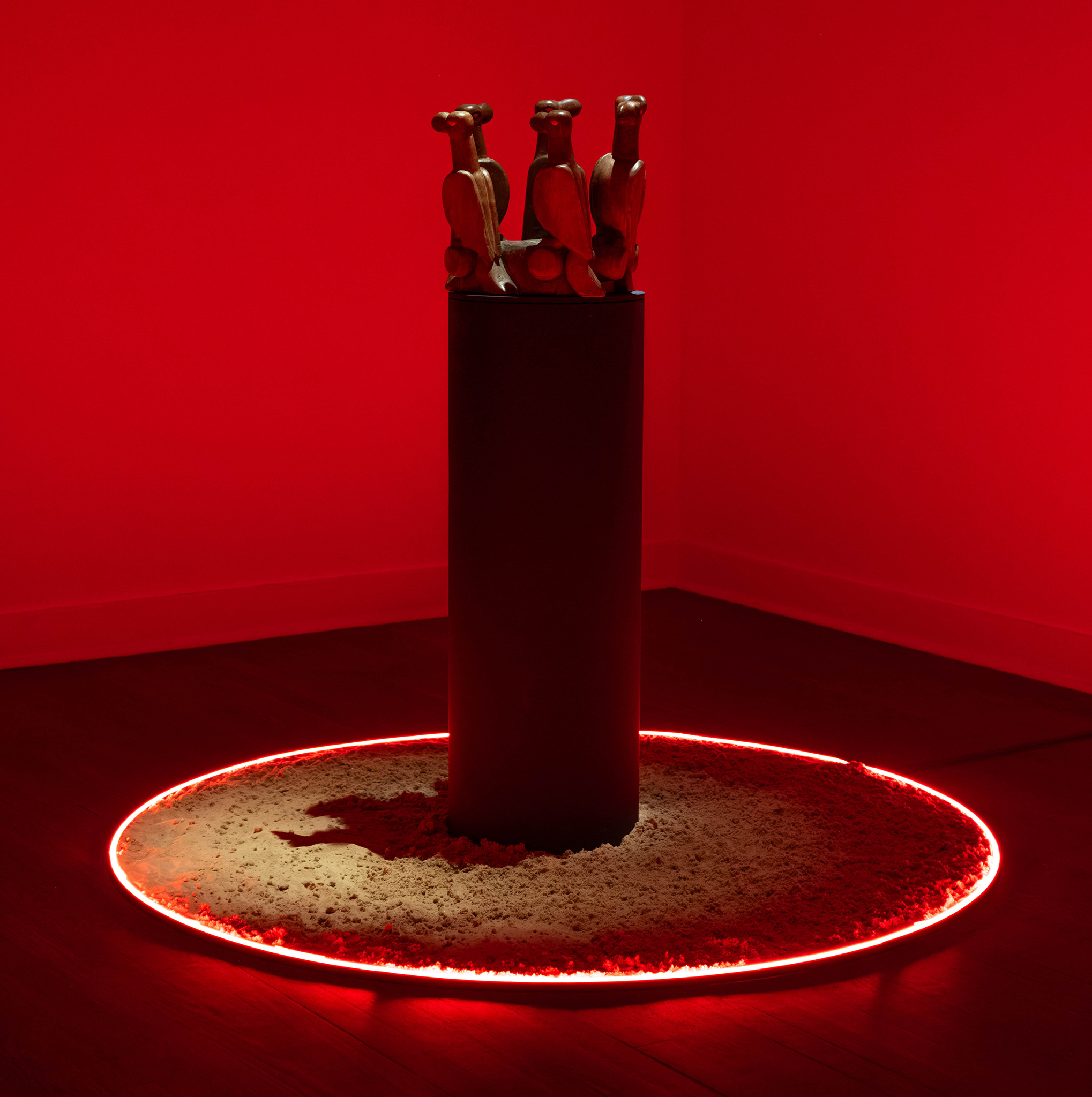 Pássaros Rodantes (Whirlybirds), 2026. Family heirloom wooden sculpture, enamel, vinyl, custom motor. 33 x 33 x 33 cm. From an untraced family artifact, the wooden sculpture is transformed into a kinetic installation in which birds move in reverse, representing changes in migration routes due to hyperheating.
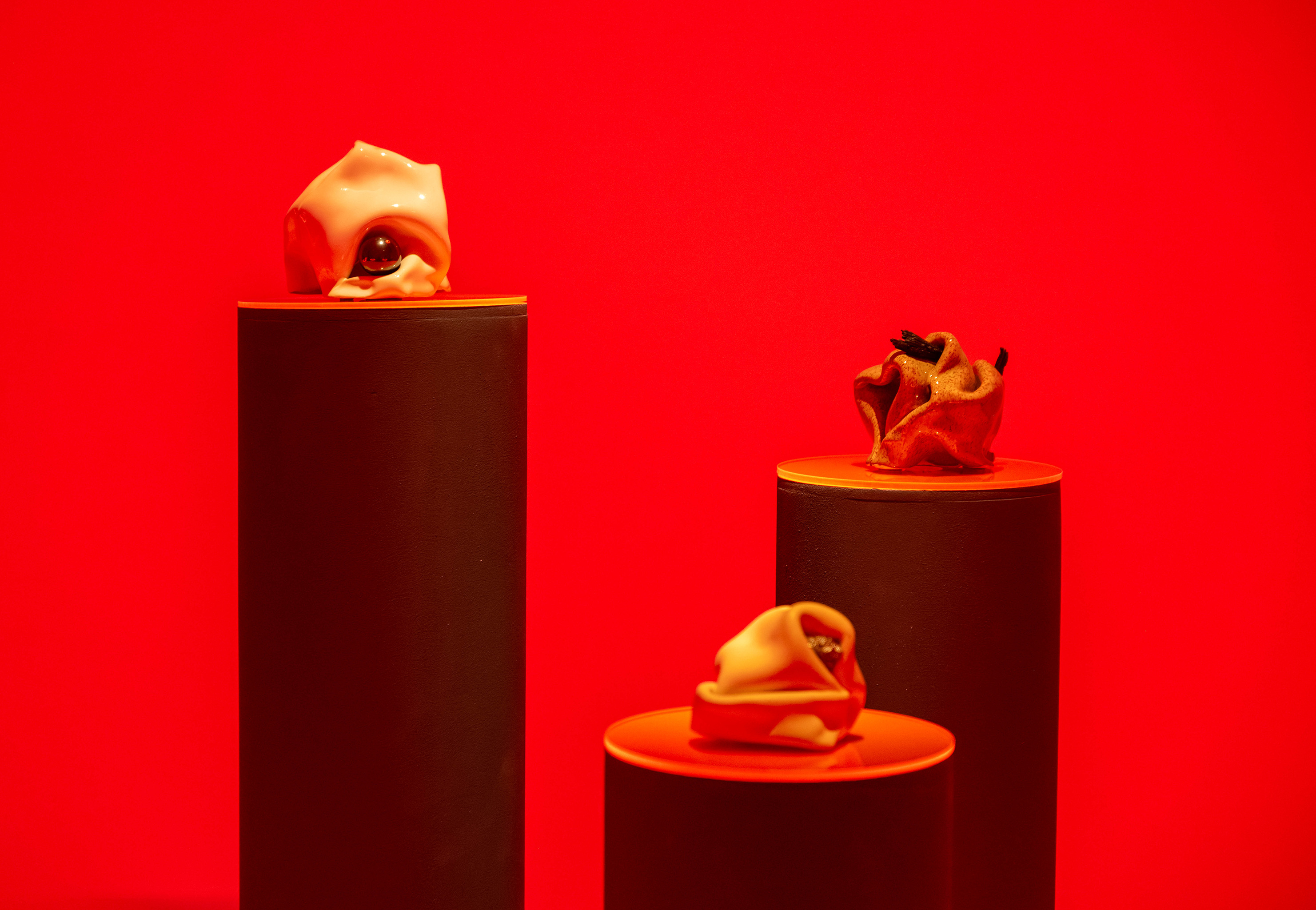
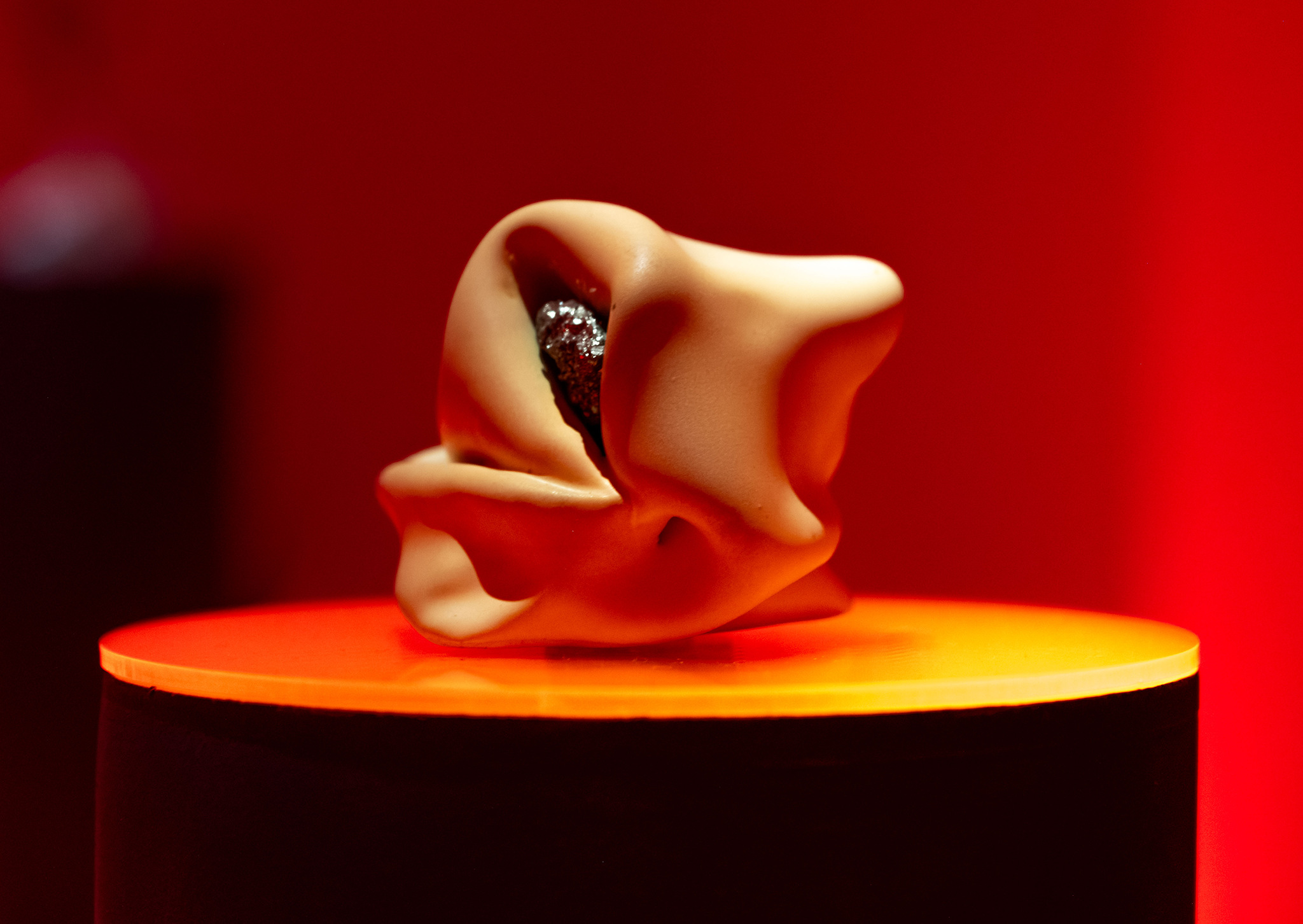
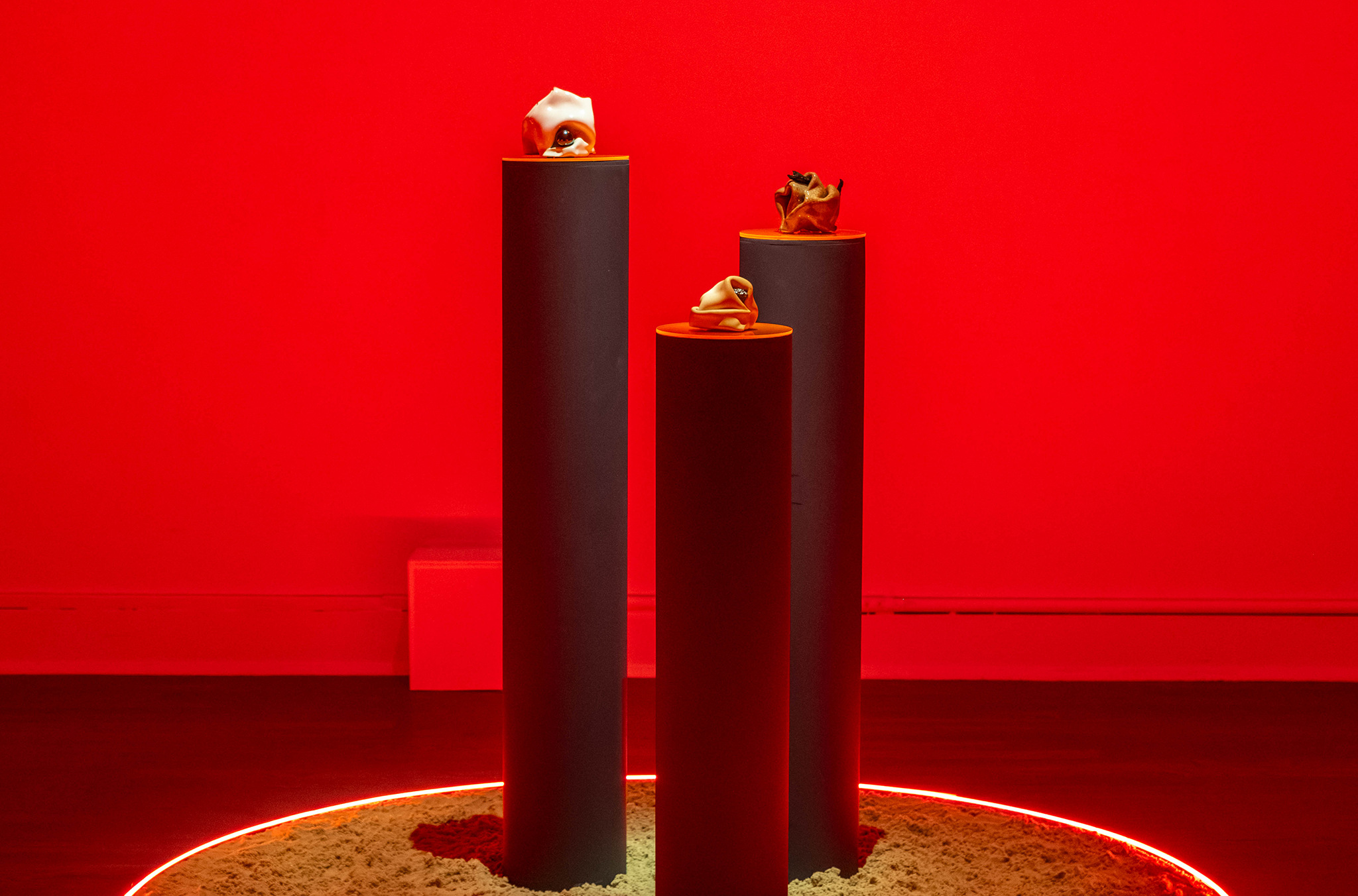 Ruínas Ninhos, 2026. Ceramic, stone, acrylic. 15 x 15 x 15 cm each. Futuristic ruins inspired by mining processes, mineral extraction, and the internal architecture of birds’ nests.
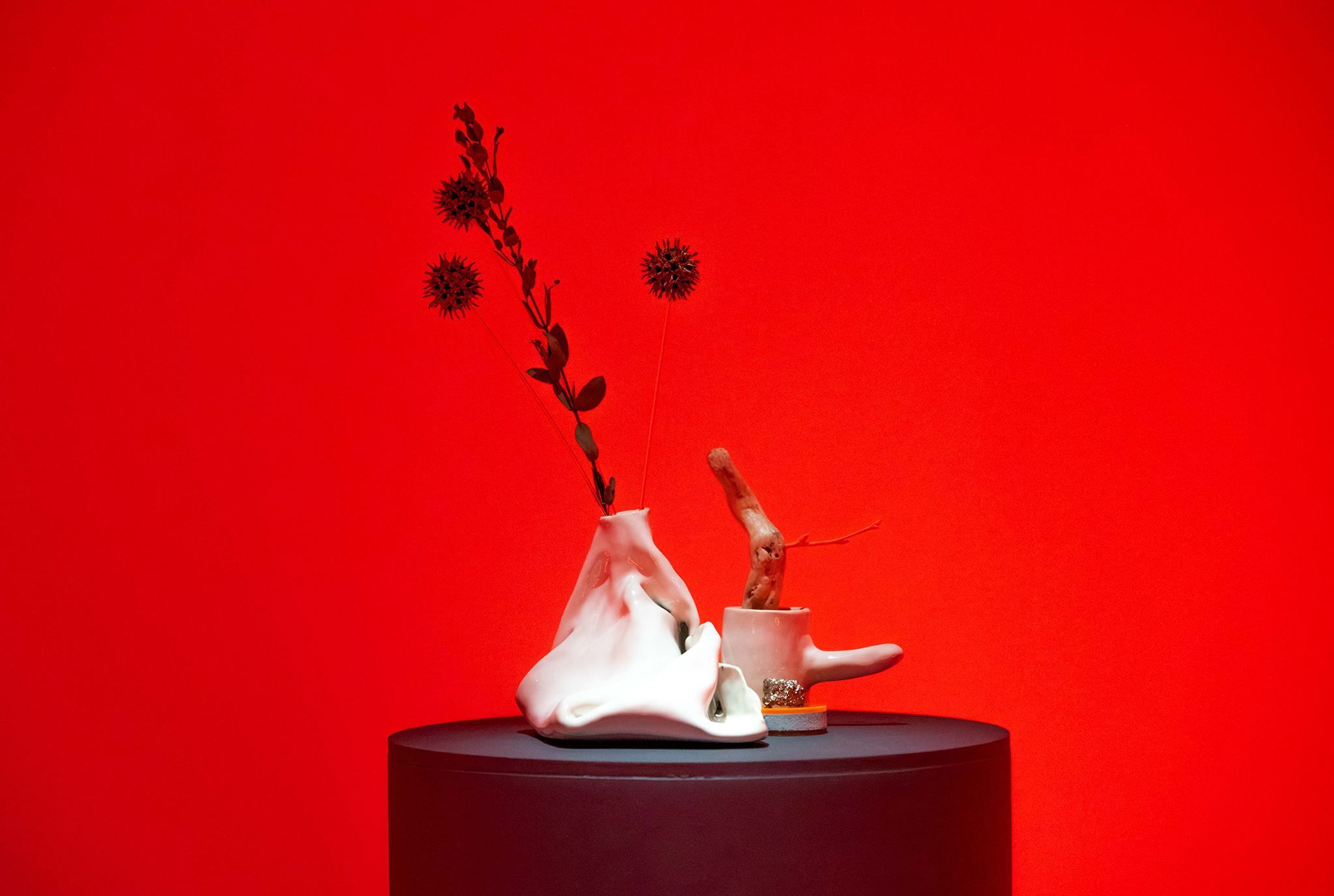
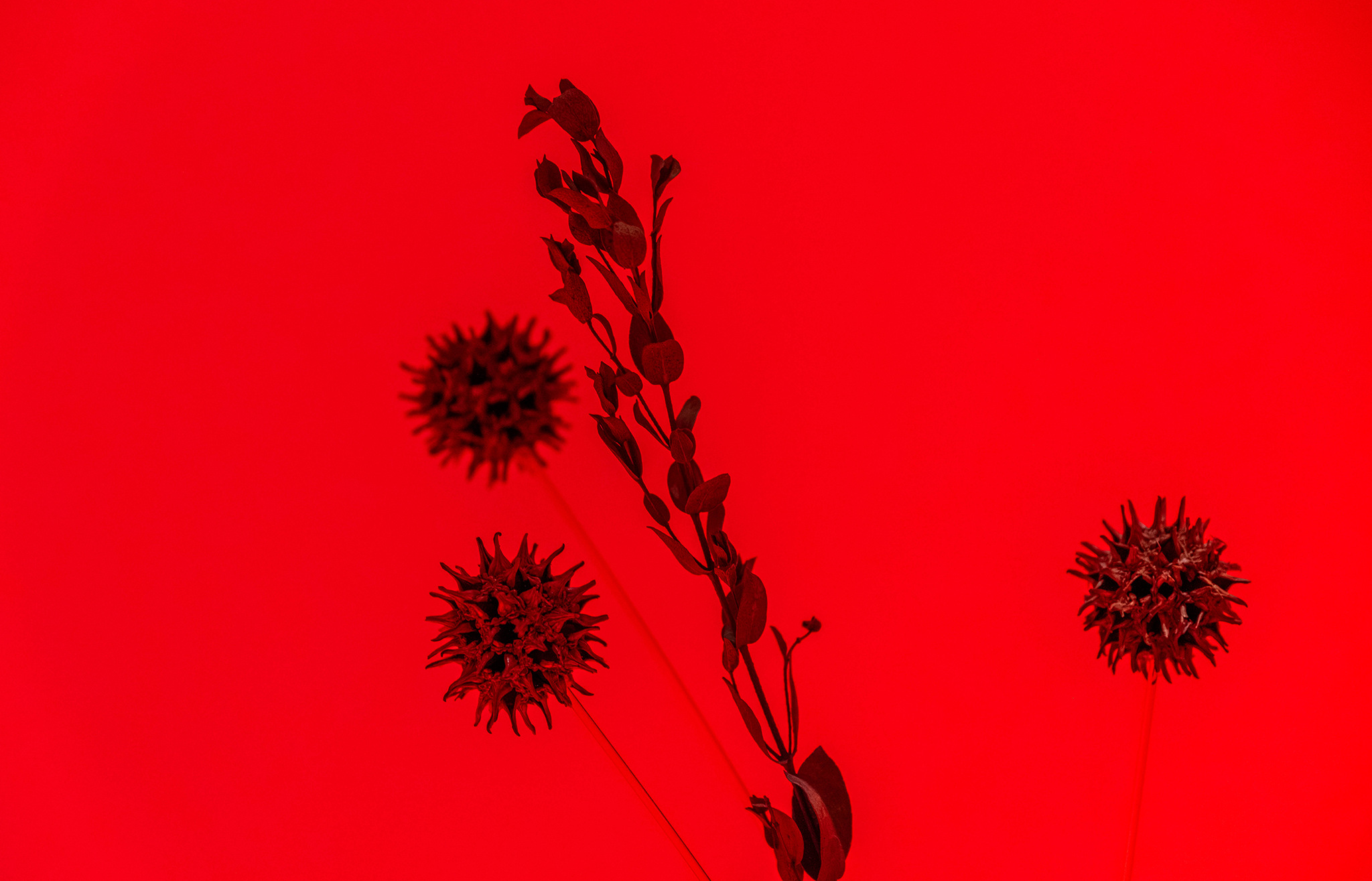 Bouquet, 2026. Ceramic, acrylic, plastic, mineral, driftwood from Marajó Bay, found sawtooth oak acorns, eucalyptus. 20 x 20 x 20 cm. A semi-synthetic offering and symbol of human intervention; editing, cutting, and shaping are made visible through selection and arrangement.
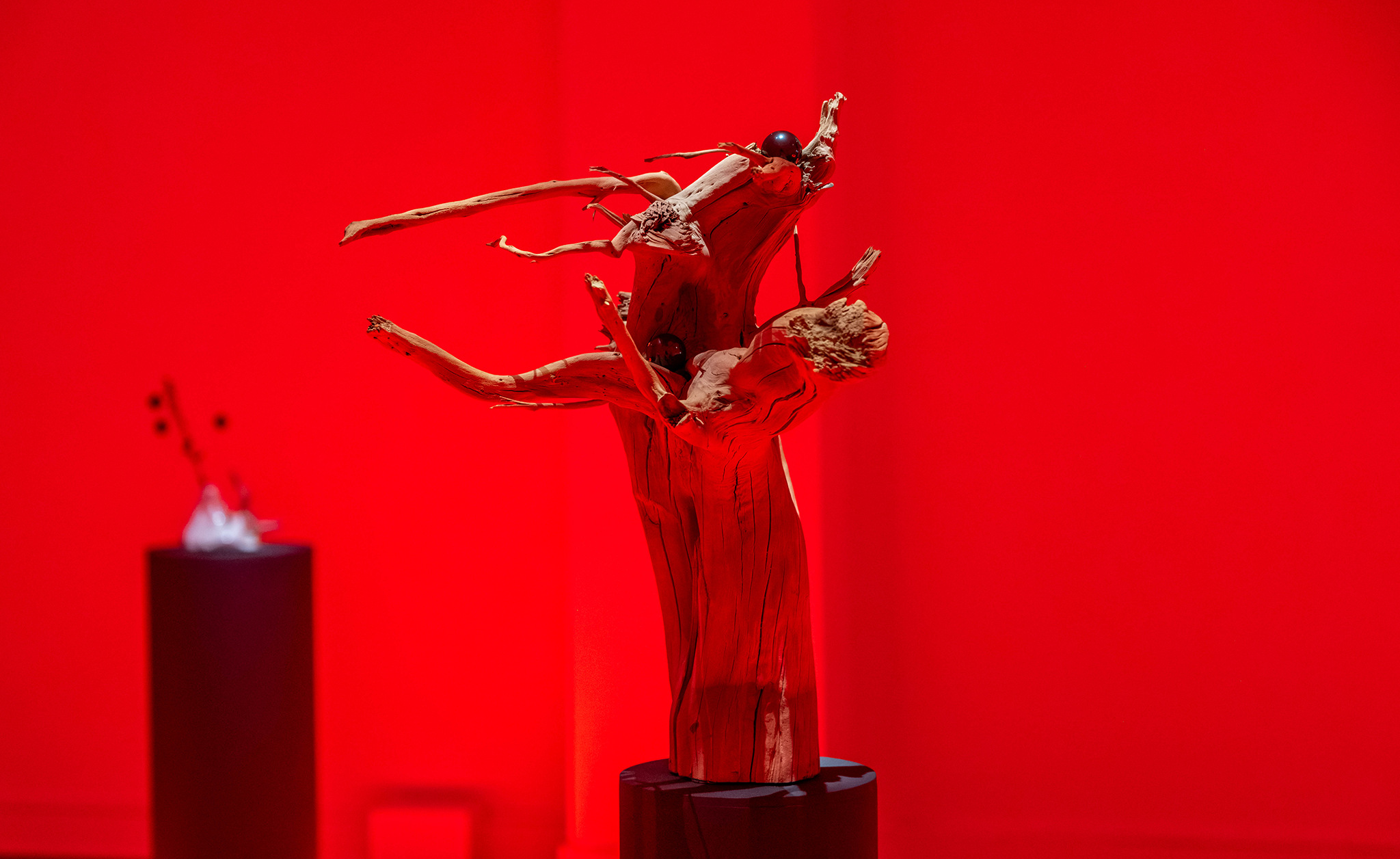
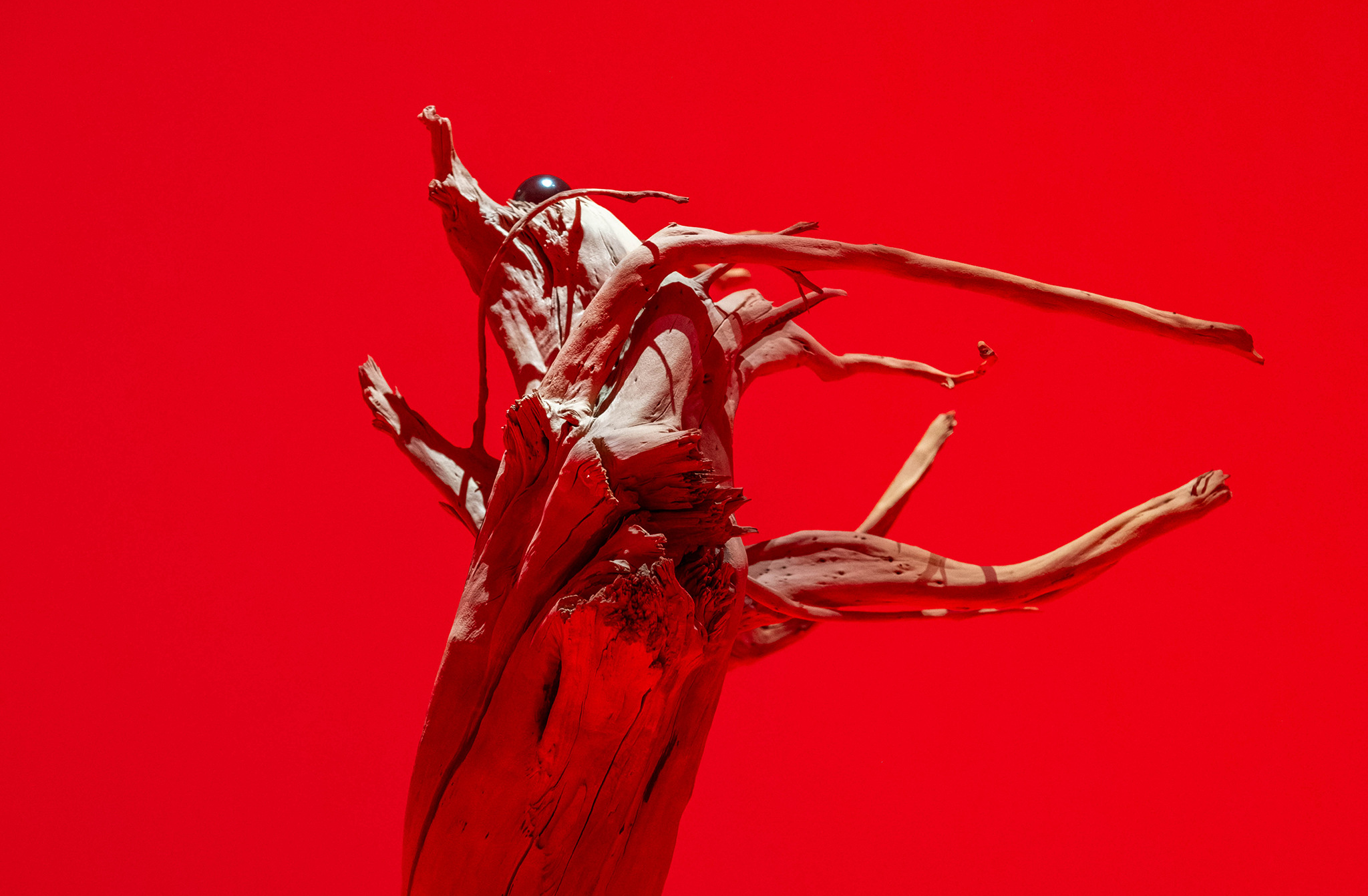
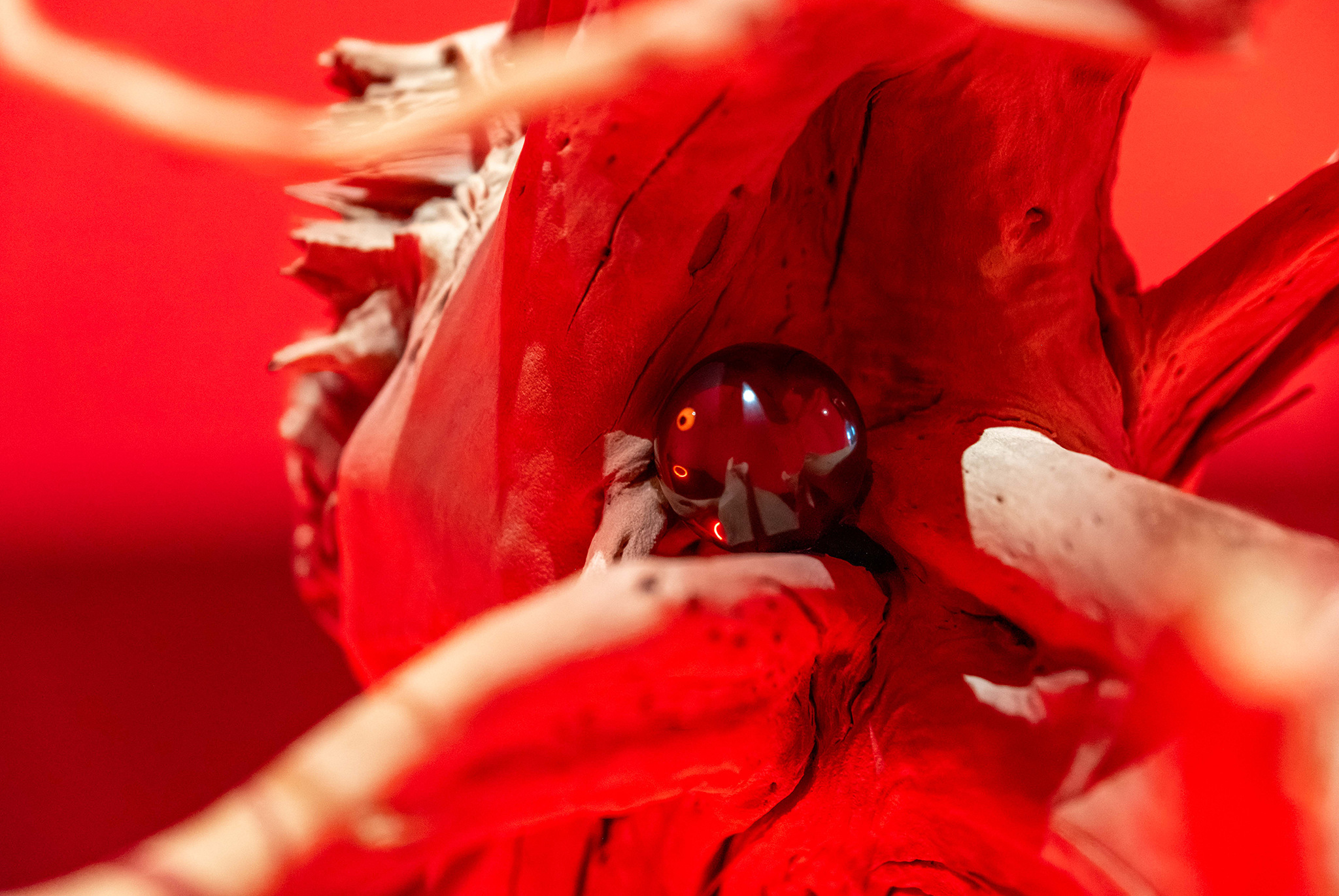
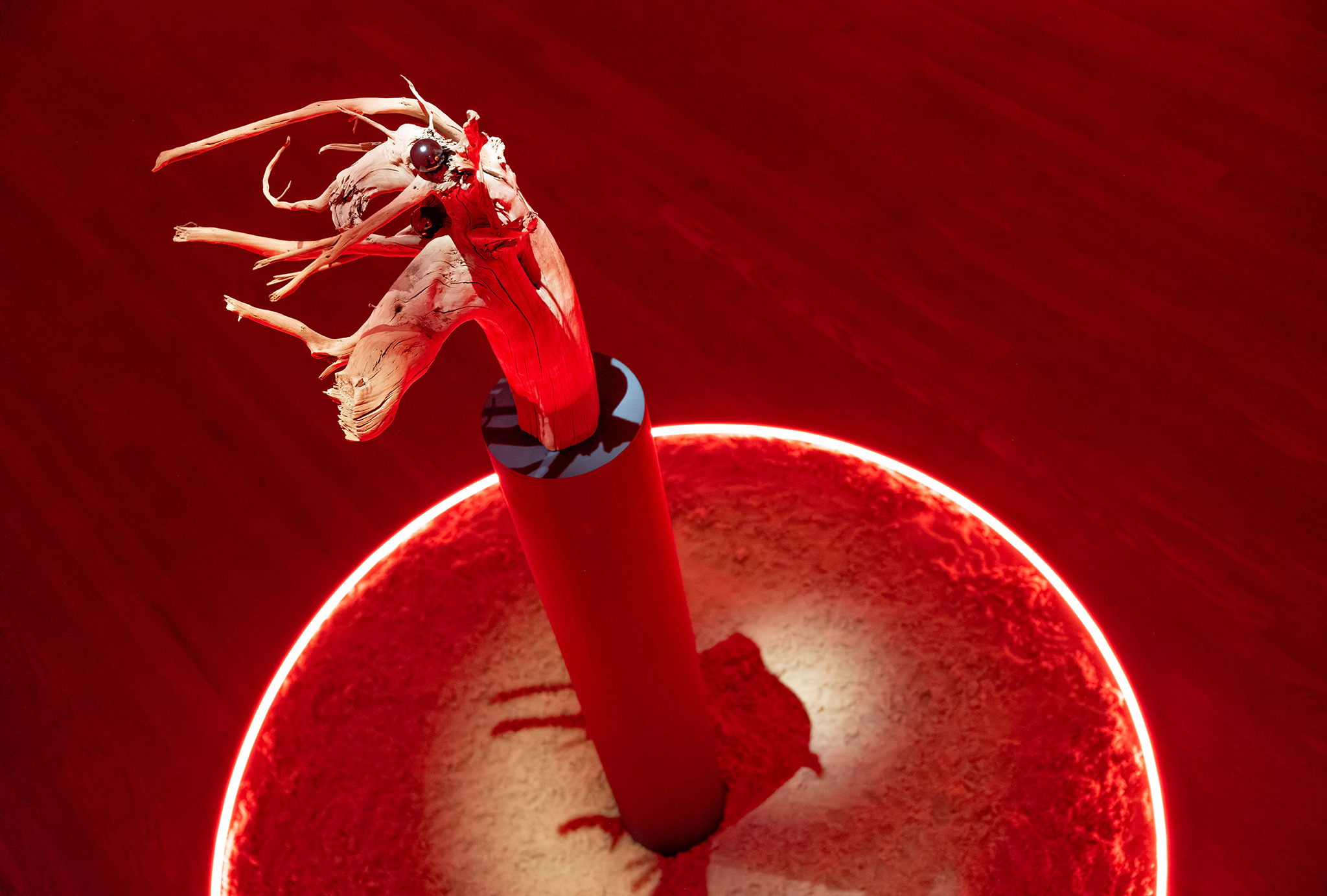 À Deriva (Adrift), 2026. Driftwood, stone, enamel. 45 x 25 x 30 cm. An offering from the ocean treated by the wind, sun, and sand, reminding us of the longevity of geological time and the relative brevity of human existence.
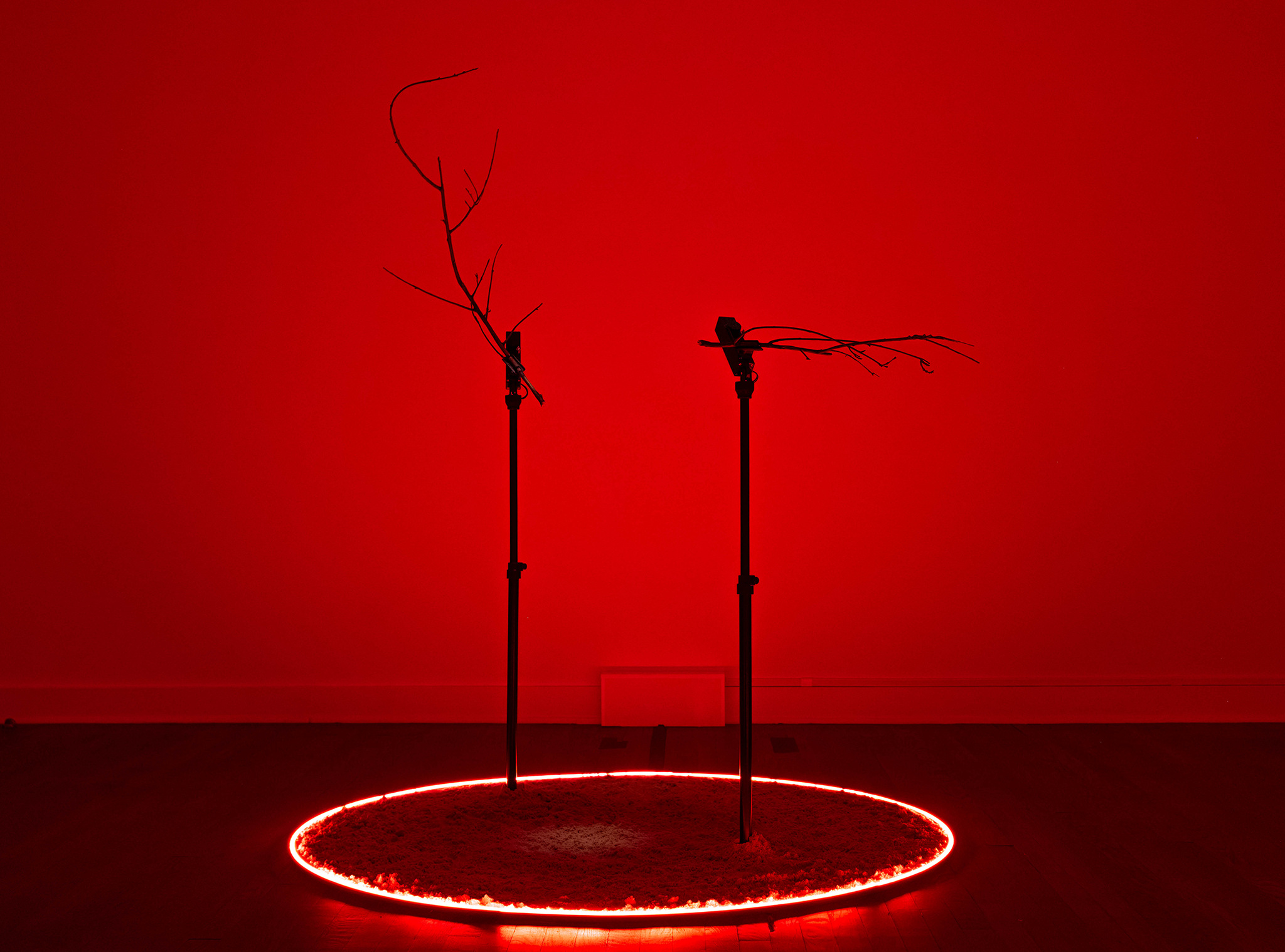
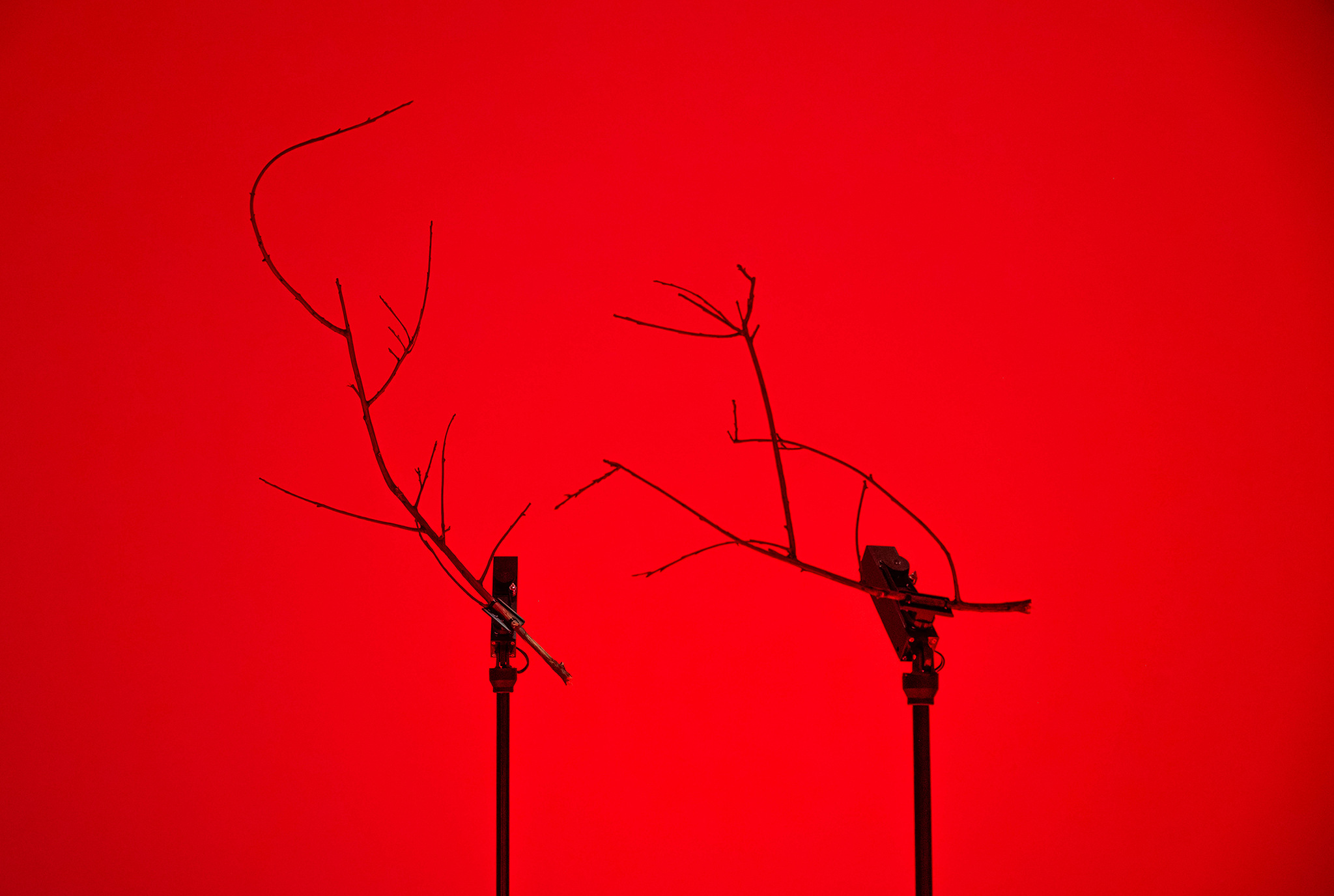 Flora Futura (The Survival Dance), 2026. Found branches, wood sealant, motors, custom hardware. Variable dimensions. A work in dialogue with ESECAFLOR, a two-decade experiment by Museu Goeldi and UFPA in Brazil’s Caxiuanã National Forest that simulates extreme drought to study the Amazon’s resilience.
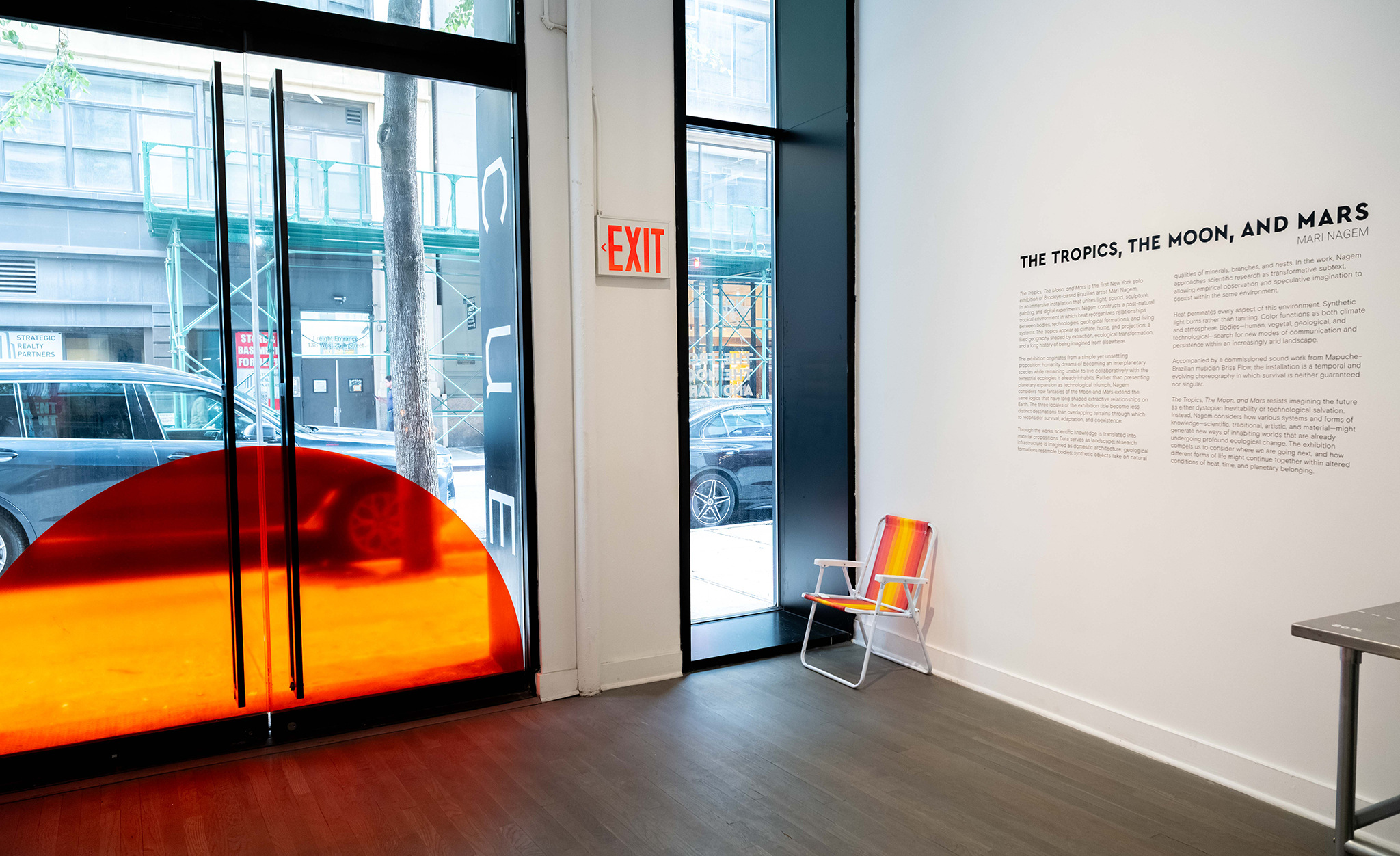 The exhibition entrance, a space with abundant natural light, served as a welcoming room, featuring a few works, experiments, and infrastructure that introduce the show’s concept. It was arranged to be reorganized for different exhibition-related activations, such as workshops, talks, and dinner.
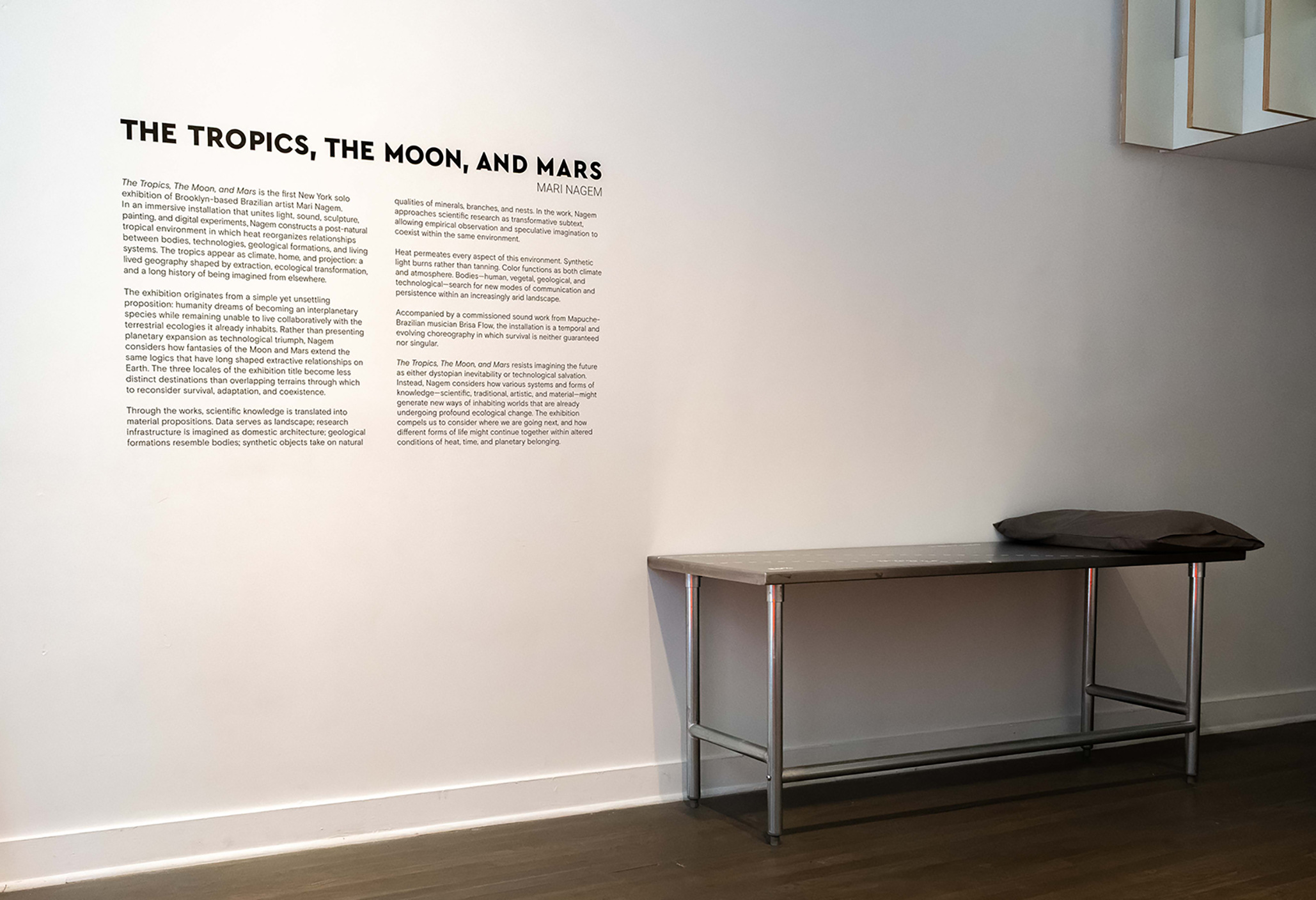 Space Analog, 2026. Steel table, vinyl, pillow, fabric. Variable dimensions. Based on the construction of the Space Analog for Moon and Mars in Arizona, the future (and the present) reveals multi-use furniture; in this case, the table serves as an installation-based work as well as a multifunctional object for the show’s activations.
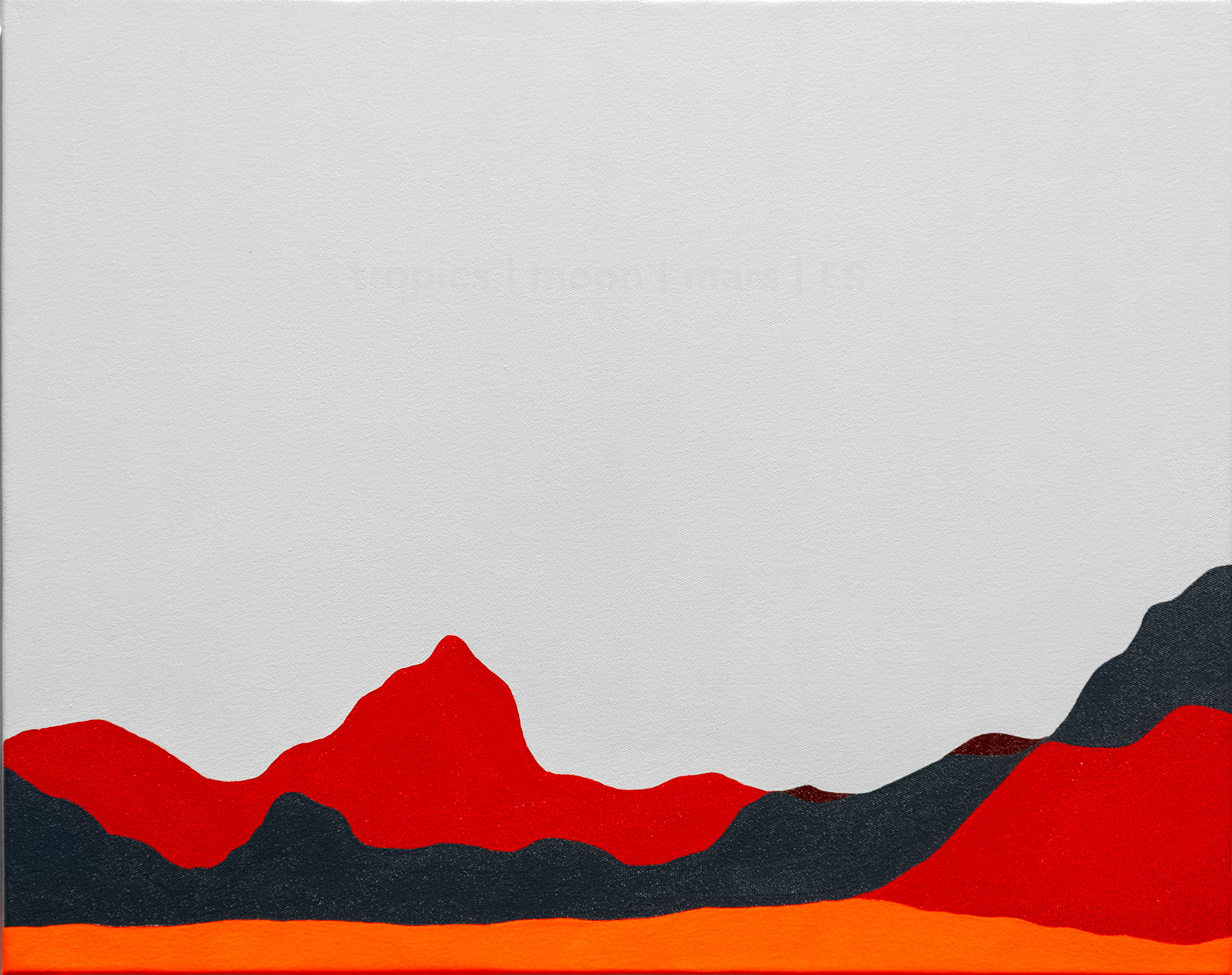 tropics | moon | mars | ES, 2026. From the Ngram series. Acrylic, latex, and enamel on canvas. 40 x 50 cm. Data paintings using Google Ngram Viewer. This painting maps the words “tropics, moon, and mars” in Spanish literature, revealing a geological landscape where they intertwine.
Photos by Leo Ng, courtesy CUE Art.
Exhibition Credits:
Sound Commission: Brisa Flow
Technical Consulting: Thiago Hersan
Technology Development: Mau Jabur, Philip Avetisov
Architectural Design Support: Beatriz Balduíno, Matthew Saacke
Installation Support: Josue Guarionex, Lane Twitchell
Graphic Design: Jasmine Buckley (Gallery Associate, CUE Art)
Exhibition Text and Curatorial Guidance: Jinny Khanduja (Executive Director, CUE Art)